
Part of the issue with the ever growing number of color wheels out there is that there are varied ideas when it comes to color theory in general.
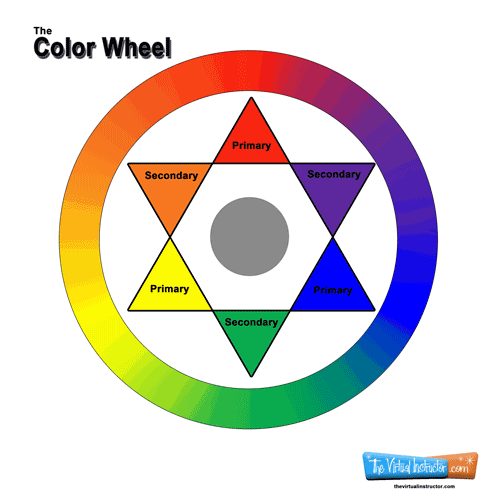
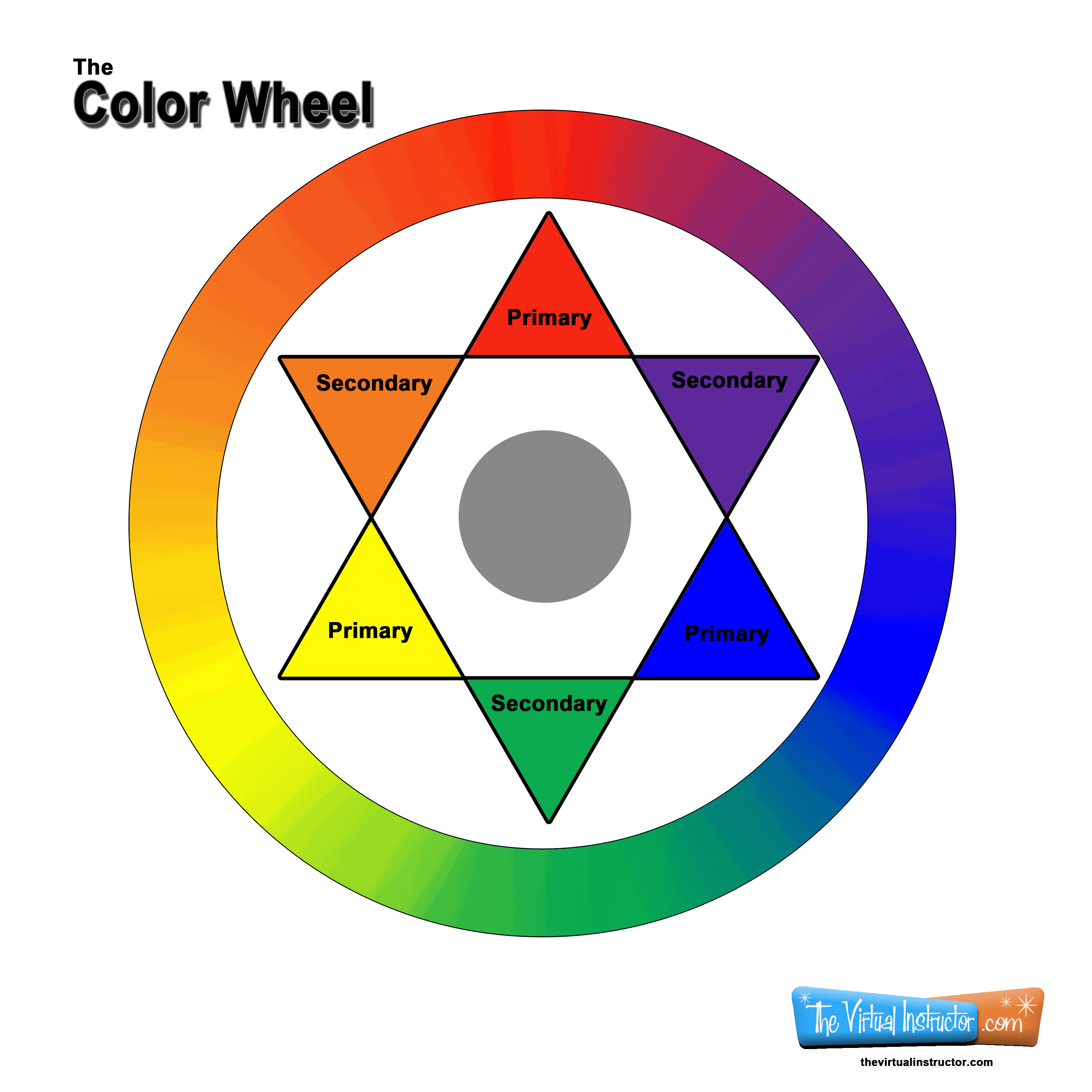
Most of us agree that there are 3 Primary colors: blue, red and yellow – and 3 secondary colors: orange, green, and purple.
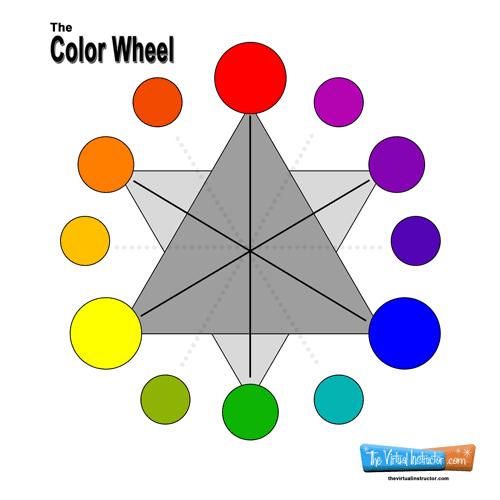
Most of us can also agree that the complementary colors exist as opposites on the color wheel. This means that orange is the complement of blue; purple is the complement of yellow; and green is the complement of red.
There are Different Color Wheel Charts!
I came across a site the other day that took color theory to another level. Honestly, it made me wonder if I really knew anything about color at all. You can visit this page and read for yourself.
The argument here is that the color wheels that we have been using for years are wrong. The author of the site argues that red, blue, and yellow are not the true primaries. He states that the true primaries consist of cyan, magenta, and yellow. (I have seen color theory taught this way.)
The arguments presented are fairly convincing. However, using this color wheel would force the complement of blue (ultramarine) to be yellow.
I have a hard time swallowing that one.
It does however show cobalt blue to complement orange. I guess that helps. It’s worth mentioning this theory because the color wheels charts that I’m sharing today are in the traditional vein.
(You are free to download any of the color wheel charts below…click on the image-then right click and “save as”)
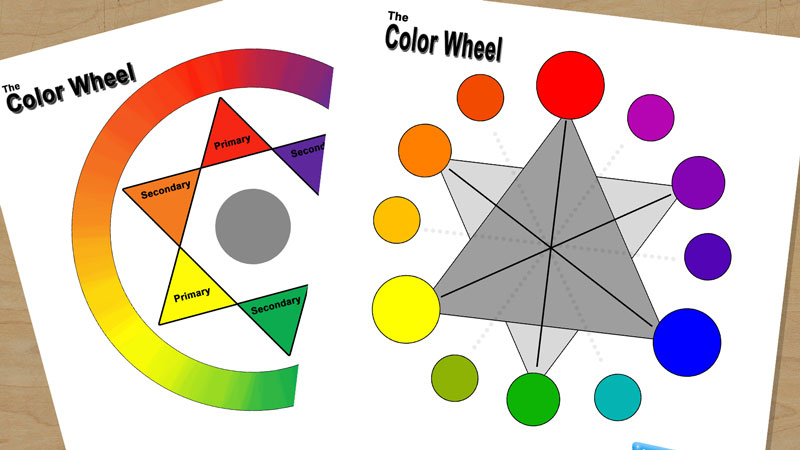
Anyhow, I decided that I would create a series of color wheel charts that teachers, students, artists – can use that may fulfill a specific need, either to teach basic color mixing, complements, and so on.
The first color wheel chart I created is intended for teaching basic color mixing. It includes a gradation of hue around the color wheel with labeled primary and secondary colors.
The second color wheel chart that I created is intended to help students recognize complementary colors on the color wheel
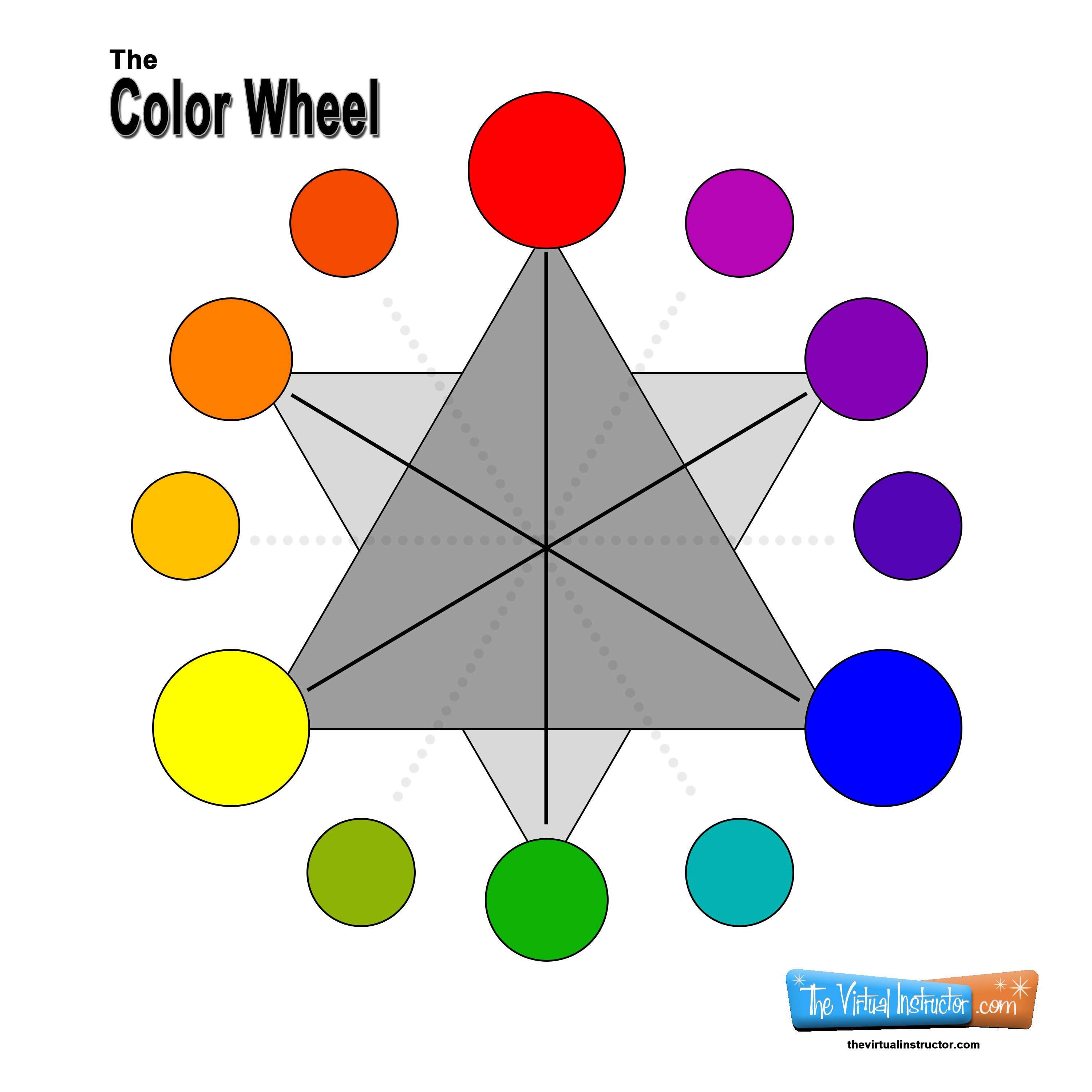
I plan on adding new color wheel charts in future posts according to specific usage. Hopefully, some of you will find them useful and helpful to you.
I also want to share with you some color theory worksheets that I use to teach color theory to my beginner classes. Students mix paints and paint directly on the sheets. To download these sheets, click on the thumbnail-right click on the image and click “save as”
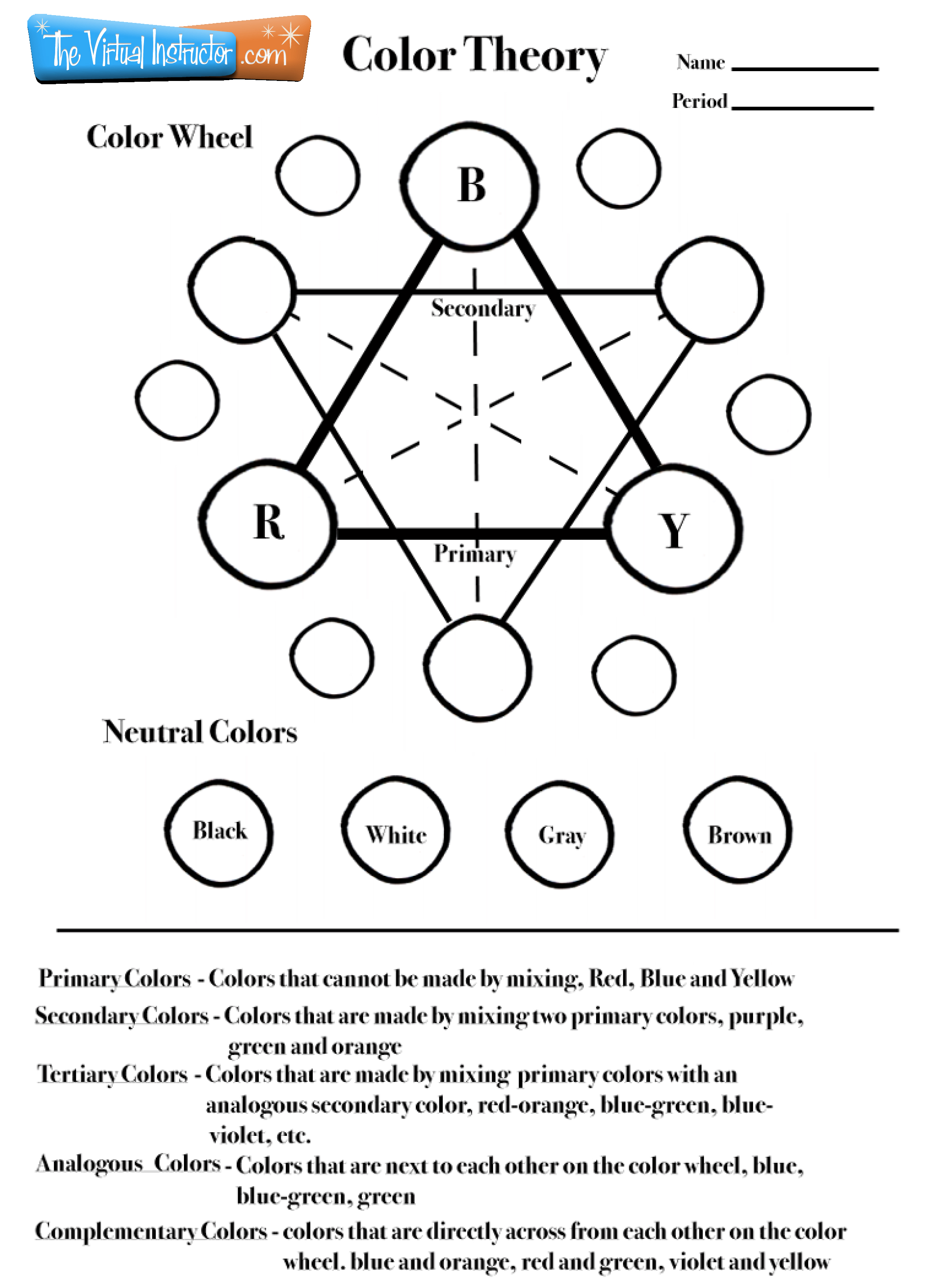
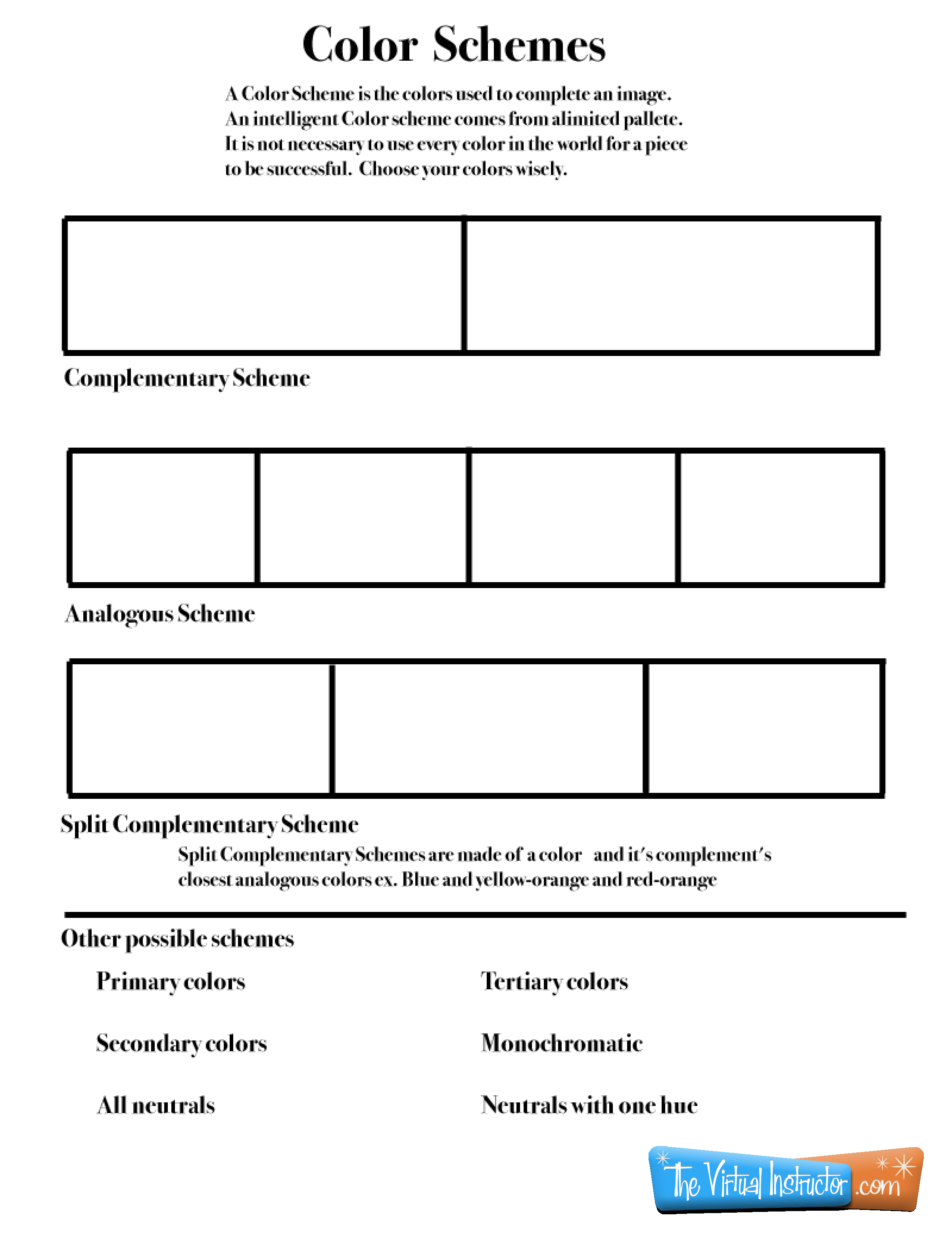
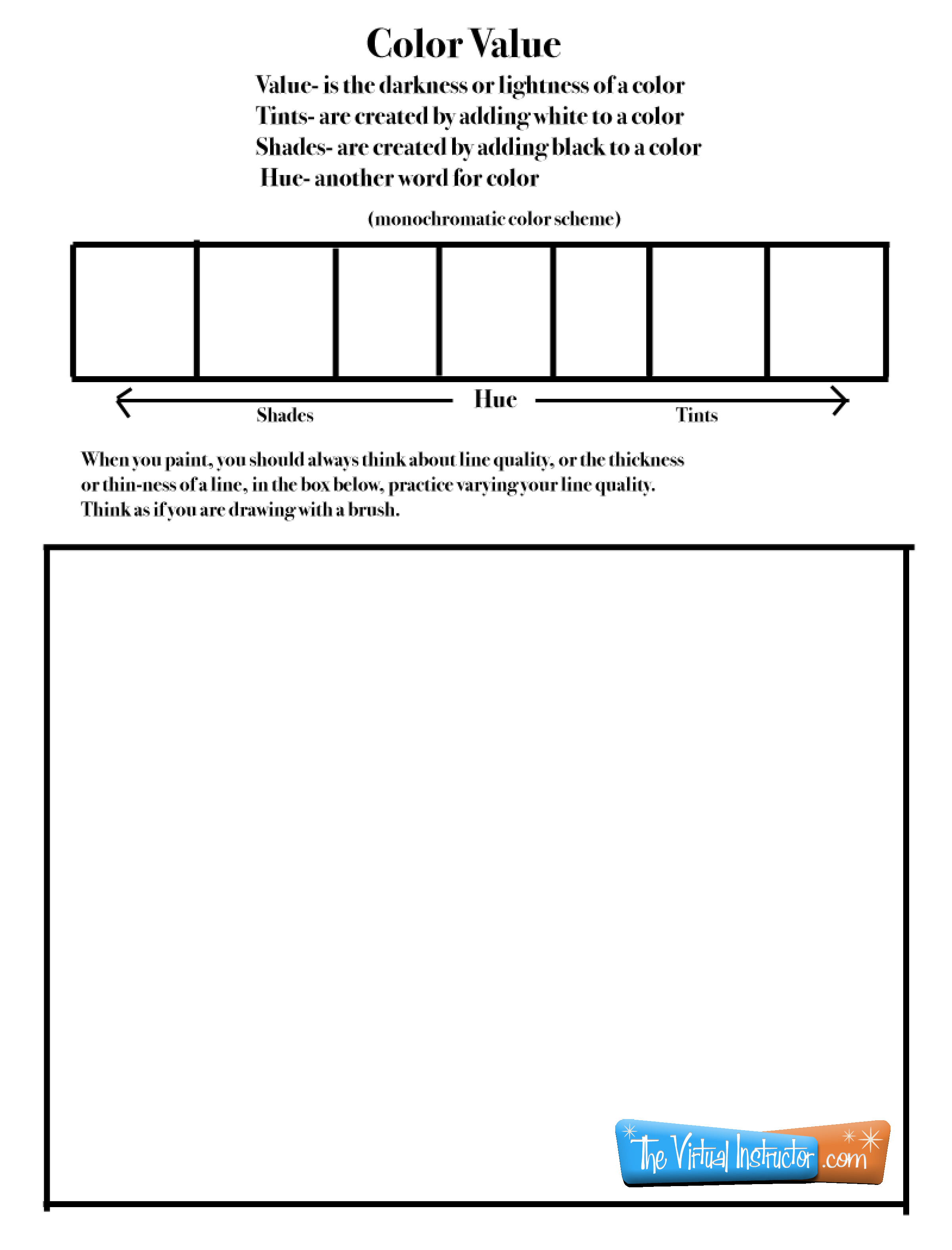
If you are looking for an interactive experience when it comes to the color wheel, try The Interactive Color Wheel.
If so, join over 36,000 others that receive our newsletter with new drawing and painting lessons. Plus, check out three of our course videos and ebooks for free.